Donec efficitur, ligula ut lacinia
viverra, lorem lacus.
Donec efficitur, ligula ut lacinia
viverra, lorem lacus.

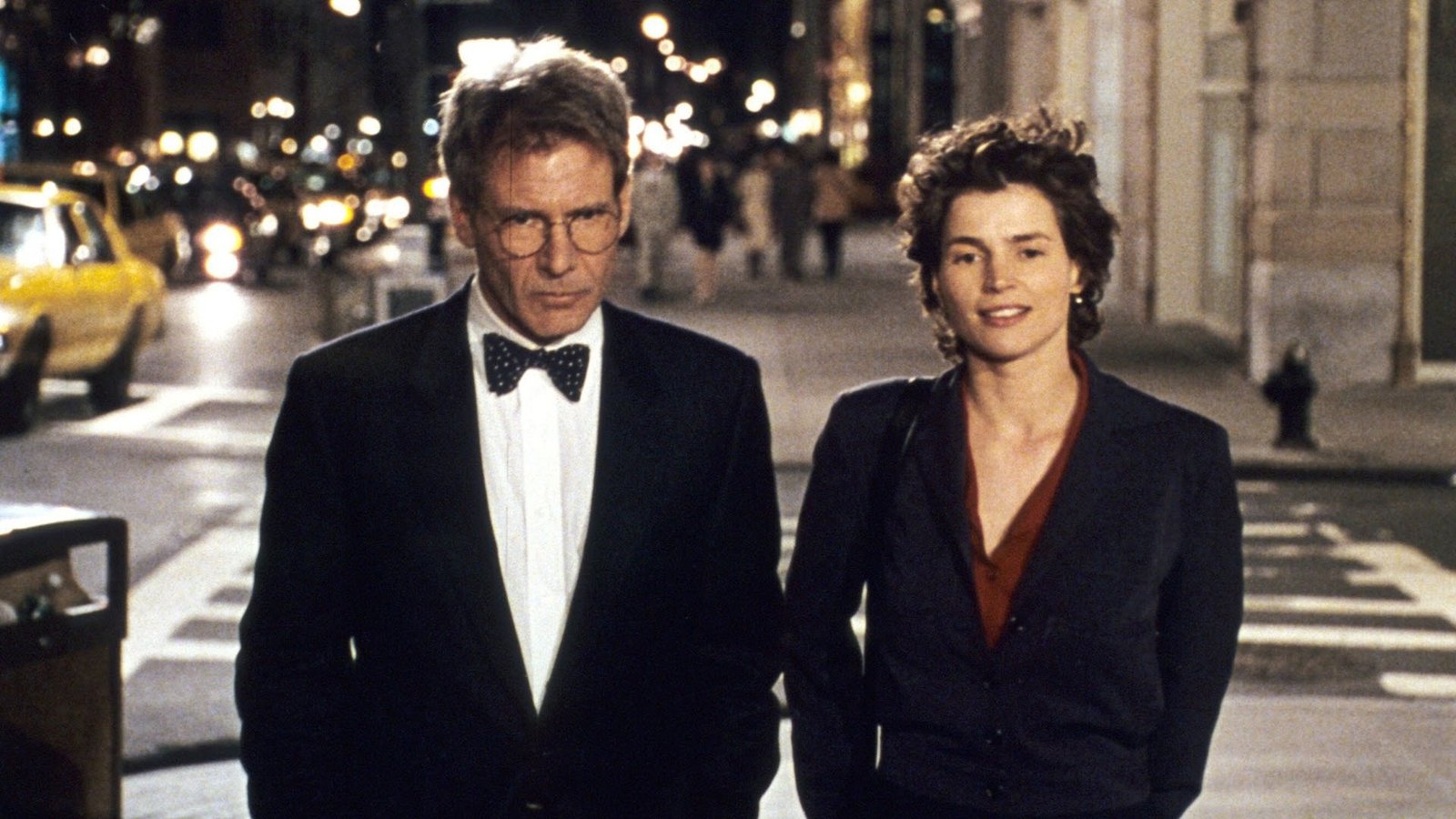
I recently watched Sabrina (1995) and there is something about slow burn romance that none of the other genres can truly replace. It is not just about two characters falling in love; it is about watching that love slowly form, almost without them realizing it at first. Slow burn romance is built on patience. It grows through small moments, lingering glances, conversations that feel a little too personal, and the quiet tension between two people who are trying very hard not to admit what they feel. The attraction is not immediate or explosive. Instead, it builds layer by layer until the audience can feel the weight of every interaction. By the time the characters finally acknowledge their feelings, it feels earned. That emotional payoff works because the story took the time to show us how the connection developed rather than simply telling us that it exists.
One of the most important parts of slow burn romance is character development. Because the relationship unfolds gradually, the audience also gets the chance to truly understand who these characters are as individuals. We see their fears, their past experiences, and the emotional walls they have built around themselves. Sometimes the characters start the story guarded, stubborn, or even completely opposed to the idea of love. Through their interactions with each other, those layers slowly begin to change. They grow more vulnerable and willing to confront parts of themselves they once avoided. In many ways, the romance becomes a catalyst for personal growth. The characters are not just falling in love with someone else; they are also learning more about themselves.
Older films understood this rhythm very well. Romance was allowed to breathe. Sometimes you would wait and root for the characters to finally have that first kiss or the first honest confession, and when it happened by the end of the movie, it felt like a victory . Characters spent time together before the story pushed them toward confession or intimacy. The tension between them was often subtle, sometimes frustrating, but always meaningful in ways to make one wait . The audience could see the slow change in the way they looked at each other, the hesitation in their words, and the small gestures that revealed more than any dramatic declaration ever could. This is why so many older romances still feel memorable today. The relationship felt real because it was built through shared experiences, emotional vulnerability, and gradual trust. Even when the story was dramatic or tragic, the romance itself felt grounded because the audience had watched it grow from the very beginning.
In contrast, a lot of modern entertainment seems to struggle with this idea of patience. Many movies and shows rush through the romantic development because they are trying to keep the pace fast and constantly engaging. Characters often fall in love almost immediately, sometimes within a few scenes, and the story moves on before the audience has time to truly understand why they are drawn to each other. Instead of building tension, the narrative jumps straight to the result. While this might make the story feel faster, it also removes the emotional depth that slow burn romance naturally creates. When the buildup is missing, the relationship can feel shallow, even if the characters themselves are interesting.
Another reason slow burn romances feel rare today is because storytelling has changed to match modern viewing habits. With shorter attention spans and the pressure to keep audiences hooked instantly, many writers feel the need to deliver quick emotional payoffs rather than gradual development. However, this approach often sacrifices the quiet moments that make romance believable. Slow burn stories trust the audience to stay invested without constant drama. They rely on emotional tension rather than spectacle, and that tension is what makes the final confession, the first kiss, or even a simple moment of realization feel incredibly powerful.
I really wish we could see more romance films like Sabrina in the future. Not stories that rush straight into attraction, but stories that take the time to build a genuine emotional connection between two people. In the film, the romance works because we slowly watch the relationship change and deepen. One of the most memorable moments is when Sabrina and Linus travel to Paris together. There is no dramatic confession at first, just quiet conversations, shared meals, and the gradual realization that something between them has shifted. You can see the way Linus begins to soften, the way Sabrina starts to understand him beyond the distant, serious man she once saw. By the time their feelings finally become clear, it does not feel sudden or forced. It feels natural, almost inevitable, because the film allowed that connection to grow through time and shared moments. That is the kind of romance that stays with you long after the movie ends, and it is exactly the kind of storytelling I hope to see more of in the future.